works@vespor.in +919211374447 SK69, Sector 112, Noida, UP. 201305.
Project Type

Effluent Treatment Plant (ETP)

End-to-end design, fabrication, supply, installation and commissioning of industrial ETPs — achieving CPCB/SPCB compliance for over 500+ plants across India.

Get Free Quote View All Projects
500+
Plants Installed
25+
Years Experience
20+
States Covered
99%
CPCB Compliance
What We Do

Complete ETP Solutions — From Design to Operation

An Effluent Treatment Plant (ETP) is an industrial wastewater treatment system engineered to remove physical, chemical and biological pollutants before discharge or reuse. Under the Water (Prevention and Control of Pollution) Act, 1974, every industry generating effluent above threshold limits must install and operate a compliant ETP.

We offer complete turnkey ETP projects — from initial site assessment and treatability studies, through conceptual and detailed engineering, equipment fabrication, civil construction, erection, piping, electrical and instrumentation work, PLC/SCADA automation, trial runs, performance guarantee testing, operator training, and final PCB Consent to Operate (CTO) documentation.

Our ETPs are designed for BOD/COD removal efficiencies above 95%, consistently meeting CPCB General Standards for industrial discharge and the stringent effluent standards of state pollution control boards across India.
Talk to Expert ETP Products
Effluent Treatment Plant
10-10000
KLD Capacity Range
95%+
BOD Removal
How It Works

ETP Treatment Process Stages

Our multi-stage treatment process ensures consistent compliance with CPCB/SPCB discharge norms across all operating conditions.

1

Screening & Grit Removal

BOD: Minimal | SS: 10–20%

Bar screens (coarse and fine) remove large solids, plastics, fibres and rags. A grit chamber with velocity control settles sand, gravel and heavy inorganic particles. This stage protects downstream pumps and equipment from abrasion and clogging, ensuring stable plant operation over its entire service life.

2

Equalisation Tank

Flow Balance: 100% | Load Levelling: Critical

The equalisation tank balances both the hydraulic flow rate and organic load from batch industrial discharges. It eliminates peak shock loads that would otherwise upset biological treatment processes. Designed with submerged mixers and aeration, it provides a uniform, consistent feed to primary treatment. HRT is typically 6–12 hours based on industry discharge patterns.

3

Primary Treatment

SS Removal: 40–60% | BOD: 20–30%

Chemical coagulation using alum, ferric chloride or PAC, followed by flocculation and clarification in a tube settler or lamella clarifier. pH correction to 6.5–8.5 is achieved using lime or sulphuric acid dosing. Oil and grease are removed using dissolved air flotation (DAF) or API separators for petroleum and food industries. Removes 40–60% of suspended solids and 20–30% of BOD.

4

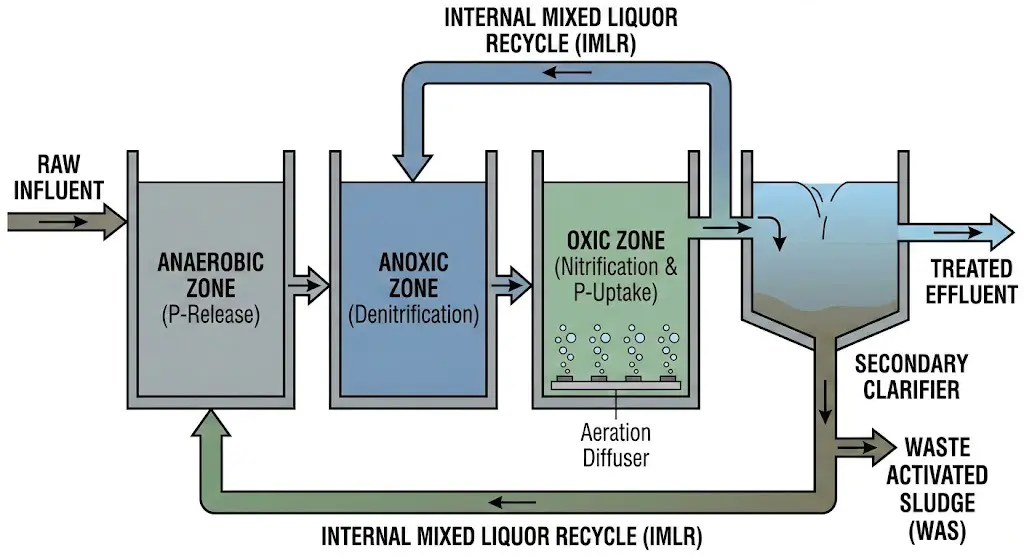
Biological Treatment

BOD Removal: >90% | COD: >85%

The biological stage is the heart of any ETP. We deploy the most appropriate technology for each application: Activated Sludge Process (ASP) for large volumes; Moving Bed Biofilm Reactor (MBBR) for compact installations; Sequential Batch Reactor (SBR) for variable flows; Upflow Anaerobic Sludge Blanket (UASB) for high-COD effluents with biogas recovery; and Membrane Bioreactor (MBR) for reuse-quality effluent. Achieves BOD reduction above 90%.

5

Secondary Clarifier

SS Removal: 85–95% | Clarity: High

Gravity-driven separation of treated water from the biological sludge. Return Activated Sludge (RAS) is recycled to the aeration tank to maintain the required mixed liquor suspended solids (MLSS) concentration. Waste Activated Sludge (WAS) is directed to sludge handling. Equipped with rotating surface scrapers and sludge blanket level controls for optimal performance.

6

Tertiary Treatment

BOD: <20mg/L | TSS: <30mg/L

Final polishing to meet stringent discharge or reuse standards: pressure sand filtration removes residual suspended solids; activated carbon filtration removes colour, odour and trace organics; UV sterilisation or chlorination ensures disinfection; ozonation provides advanced oxidation for refractory COD and reactive dye colour removal. For ZLD applications, a Reverse Osmosis (RO) system achieves near-complete TDS removal.

7

Sludge Management

Cake DS: 25–35% | Volume Reduction: 90%+

Sludge from primary and secondary stages undergoes thickening in a gravity thickener to increase solids concentration from 0.8–1.5% to 4–6%. Mechanical dewatering using a filter press or belt press produces cake at 20–35% dry solids. A solar sludge drying bed provides further drying in regions with adequate sunshine. Dried sludge is disposed as per the Hazardous Waste Management Rules, 2016 — either at a secured landfill or via co-processing in cement kilns.

Industries Served

ETP Solutions for Every Industry

Textile & Dyeing

High BOD/COD effluent with reactive dyes, heavy metals and TDS. Our MBBR + ozonation + RO systems achieve ZLD compliance for textile units mandated by PSPCB and TNPCB.

Pharmaceutical

Complex API effluent with refractory COD, active pharmaceutical ingredients and high TDS. Designed to meet stringent CPCB norms for pharma and biotech industries.

Food & Beverage

High-strength BOD effluent from food processing, dairy, brewery and distillery. Our UASB + aerobic systems recover biogas while achieving clean water discharge.

Automobile

Oily wastewater with heavy metals, coolants and machining fluids. API separators, DAF units and coagulation systems remove oil and grease to <10 mg/L.

Paper & Pulp

High AOX, colour and COD effluent from paper manufacturing. Advanced oxidation and biological treatment systems achieve colour removal above 90%.

Chemical Industry

Highly variable effluent with toxic organics, heavy metals and pH extremes. Robust multi-stage treatment with contingency bypass and equalisation.

Tannery

Chrome-bearing effluent with high TDS and organic load. Chrome recovery units recover Cr(VI) to below 0.1 mg/L, meeting the most stringent CPCB norms.

Fertilizer Plants

High-ammonia and nitrogen-rich effluent requiring biological nitrification/denitrification and stripping. Ammonia-N in outlet maintained below 5 mg/L.

Technical Parameters

Capacity Range 10 KLD to 10,000 KLD
BOD Removal Efficiency >95%
COD Removal Efficiency >90%
TSS Removal >98%
Outlet BOD <20 mg/L
Outlet COD <250 mg/L
Outlet TSS <30 mg/L
pH of Outlet 6.5–8.5
Construction MOC MS / FRP / SS 304 / SS 316
Power Range 0.5 HP to 100 HP
Automation Manual / Semi-auto / Full PLC-SCADA
Standards CPCB / SPCB Norms

Why Our ETPs?

Site-specific wastewater characterisation and treatability study before design
NABL-accredited laboratory analysis of 30+ parameters
IIT-trained process engineers with 25+ years design experience
ISO 9001:2015 certified manufacturing facility
CPCB/SPCB compliant design with online CEQMS integration
PLC/SCADA with HMI touchscreen and remote GPRS monitoring
Modular design — capacity can be expanded without plant shutdown
ZLD upgrade provision in design to future-proof investment
Comprehensive 2-year warranty and AMC packages
24/7 technical helpline and emergency breakdown support

Our ETP Installations

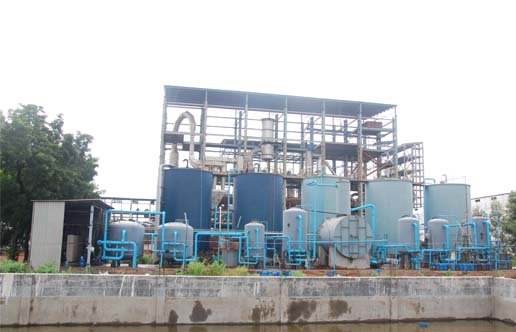
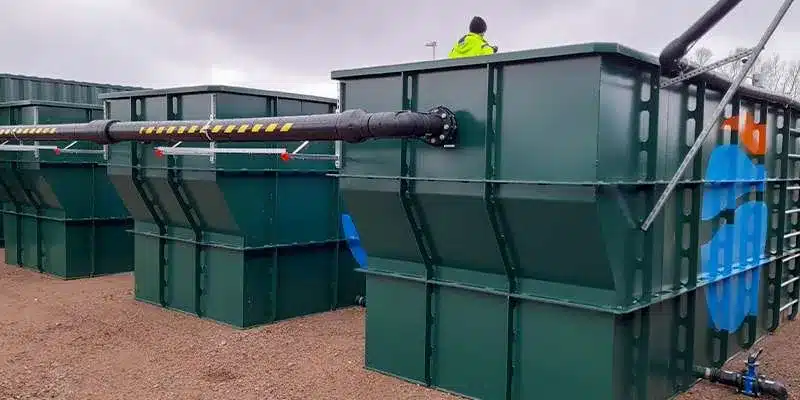
Industrial ETP 500 KLD — Textile

Industrial ETP 500 KLD — Textile

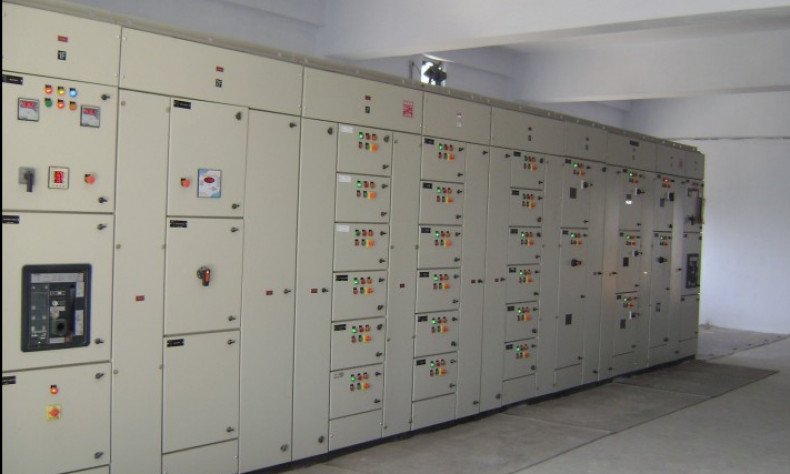
ETP Control Room — PLC SCADA

ETP Control Room — PLC SCADA

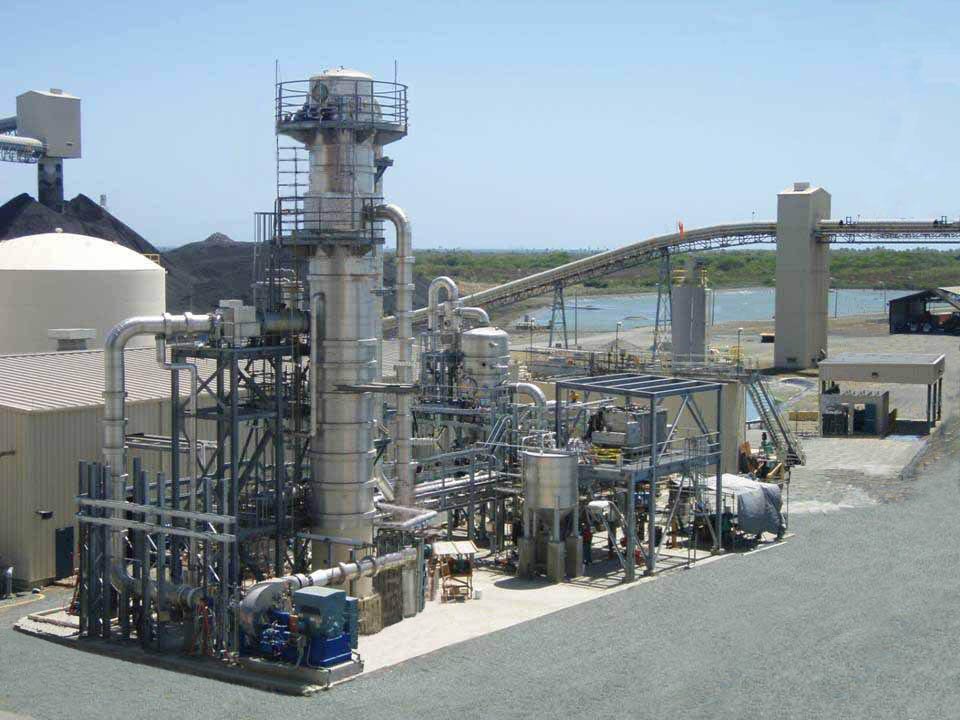
Chemical Plant ETP Installation

Chemical Plant ETP Installation

ZLD-Ready ETP System

ZLD-Ready ETP System

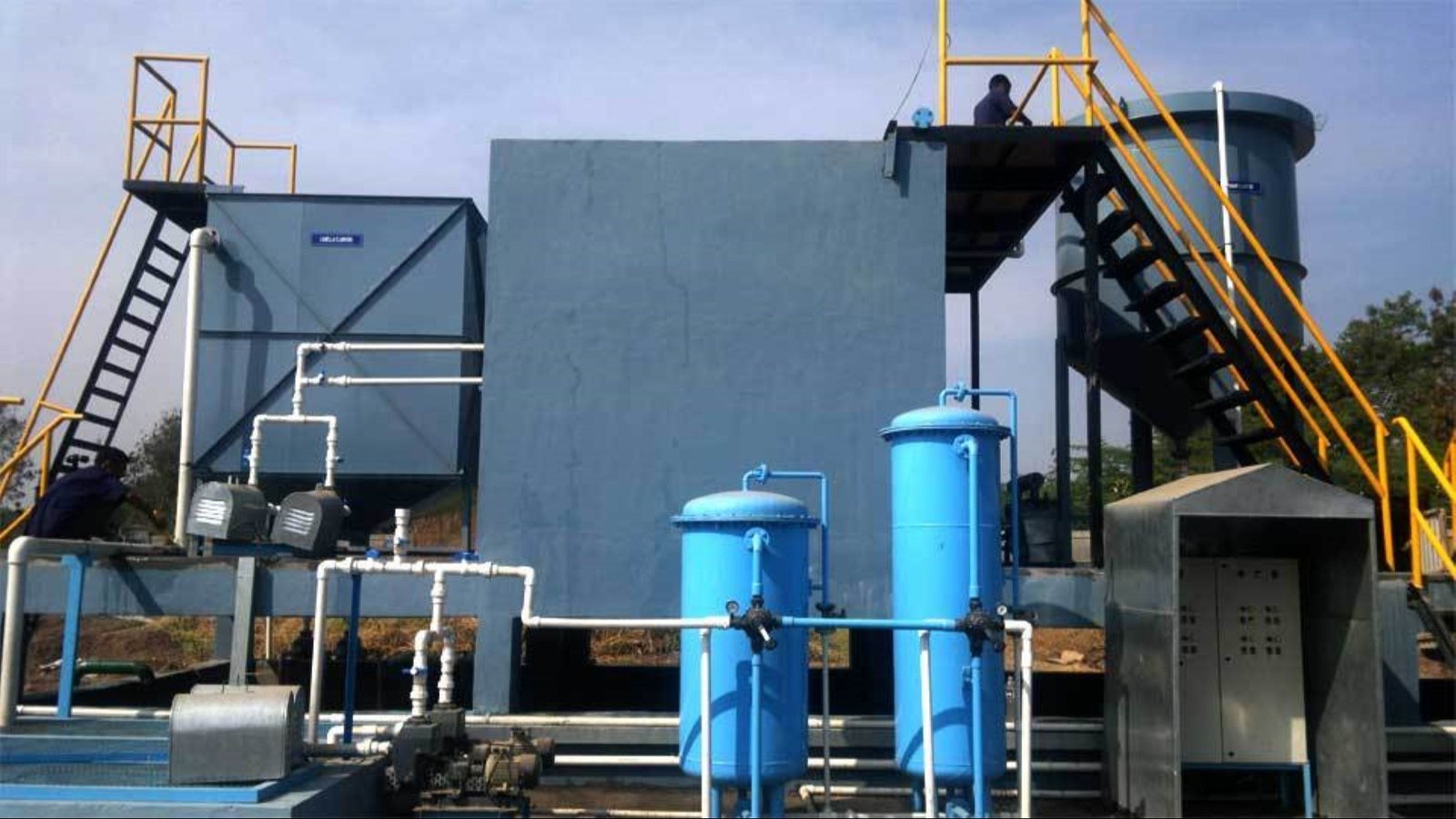
Clarifier & Biological Stage

Clarifier & Biological Stage

MBBR Biological Reactor

MBBR Biological Reactor

View Full Gallery

Explore Other Project Types

STP ZLD Systems Nitrogen Generator Air Dryer Hydrogen Generator Ammonia Cracker Heat Exchanger Oil Filtration HP Pipeline

Ready to Start Your ETP Project?

Get a free wastewater characterisation, treatability study and budgetary ETP cost estimate — within 24 hours.
Request Free Proposal +919211374447