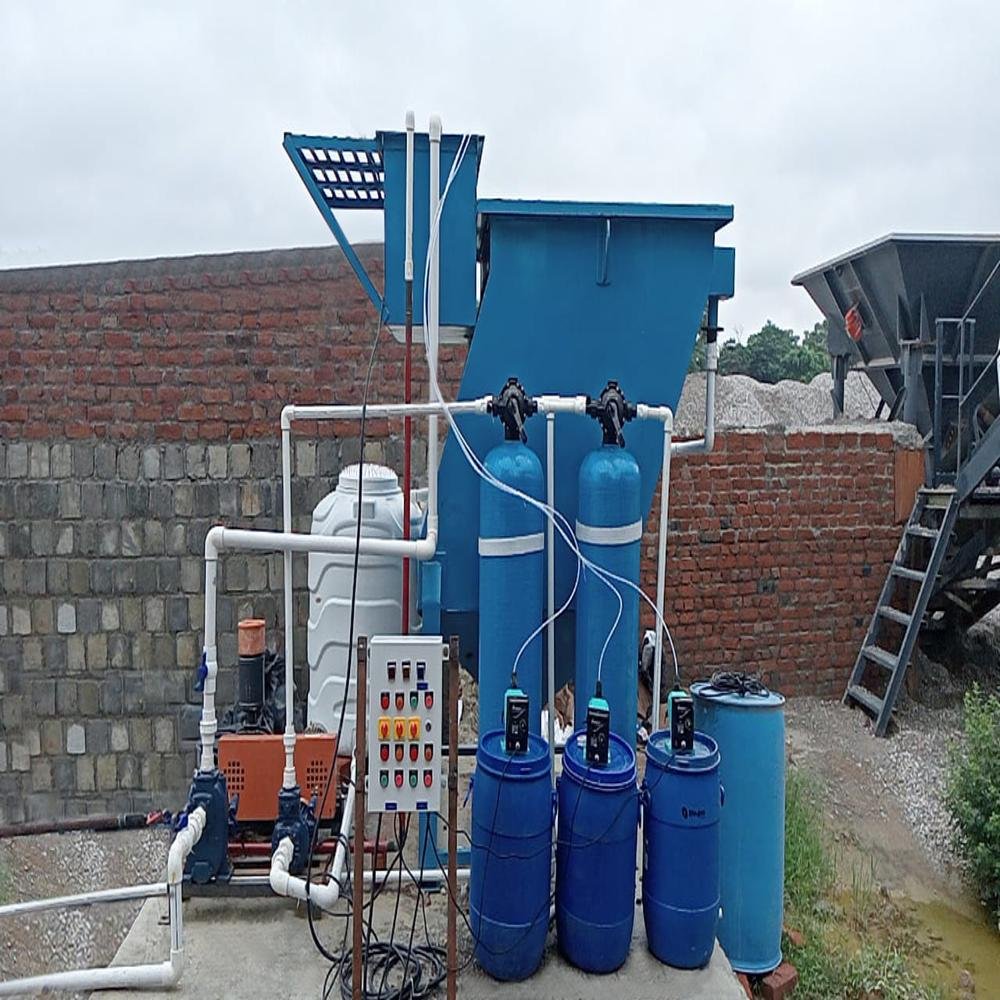
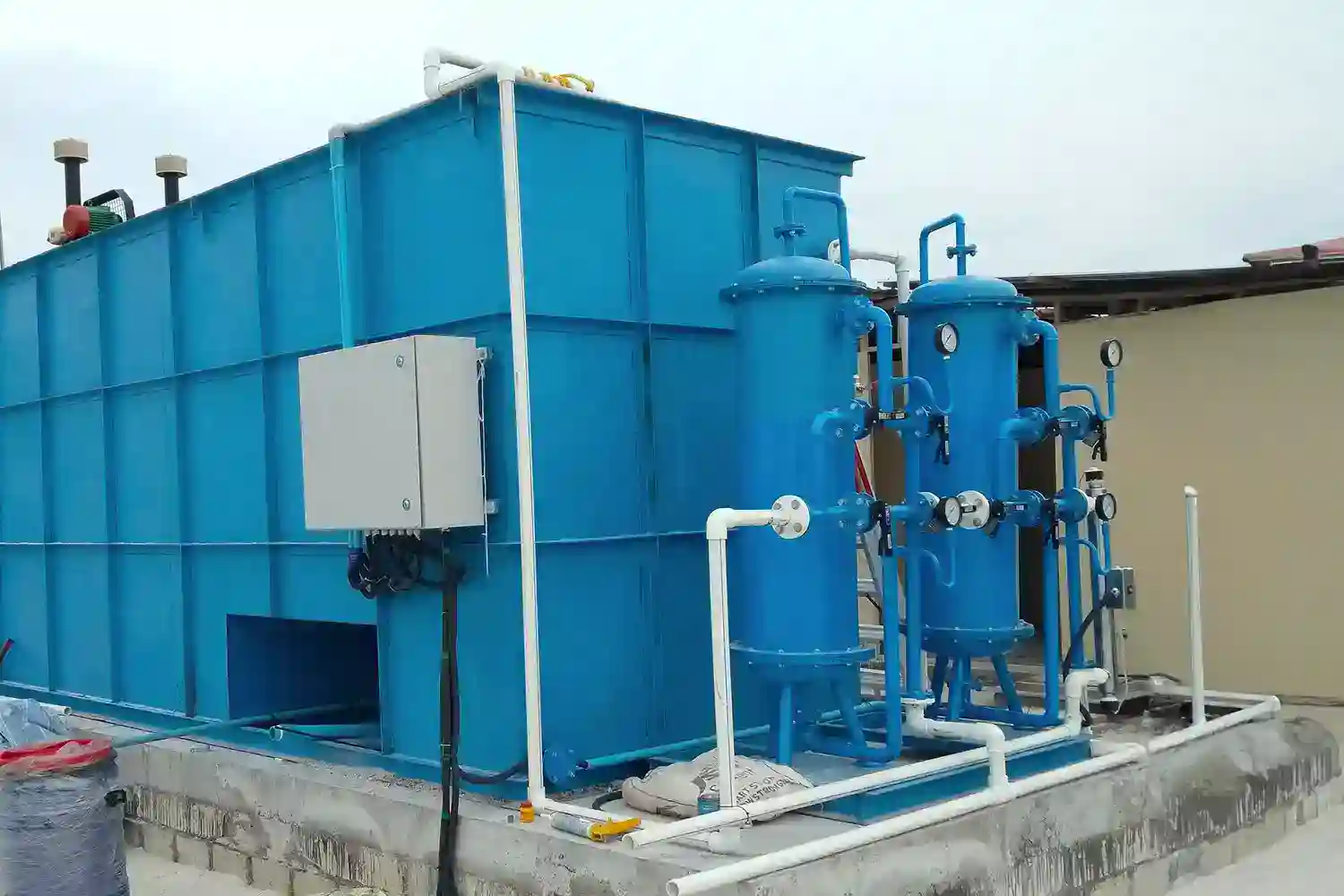
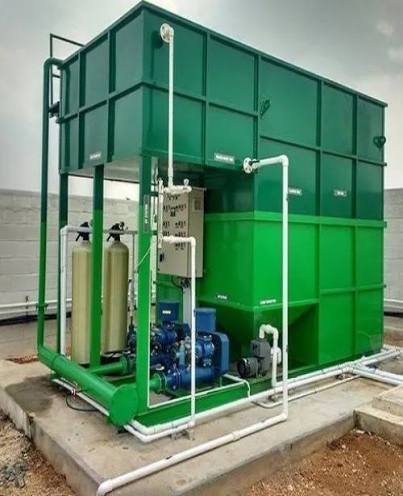
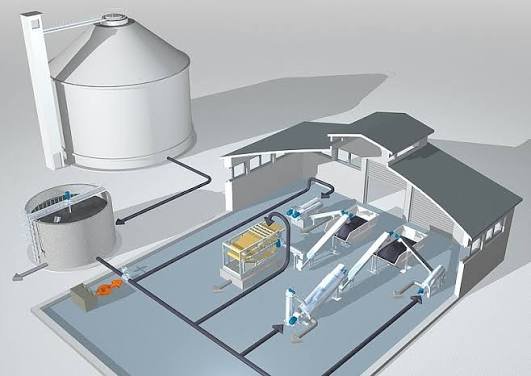
A Sewage Treatment Plant (STP) treats domestic and municipal wastewater generated from residential buildings, commercial complexes, hospitals, hotels, educational institutions and municipalities. The treated water — known as Recycled Water (RW) — can be reused for toilet flushing, garden irrigation, cooling tower makeup and road washing, significantly reducing fresh water consumption.
Under the Environment Protection (Standards for Municipal Wastewater) Rules and various RERA/GRIHA/IGBC green building mandates, any residential complex above 20,000 sqm and any commercial building above 50,000 sqm must install and operate a compliant STP with water recycling provisions.
We design and commission underground, semi-underground and above-ground STPs using the most appropriate technology — MBBR for compact installations in land-starved urban settings, SBR for variable flows in large townships, and MBR for highest-quality reuse applications. Our STPs are engineered to be completely odour-free through proper enclosure, bio-filtration deodourisation and negative air pressure management.
Each STP comes with a NABL-certified third-party performance test, PCB clearance documentation support, online effluent monitoring (CEQMS) connectivity, and a comprehensive operation manual.
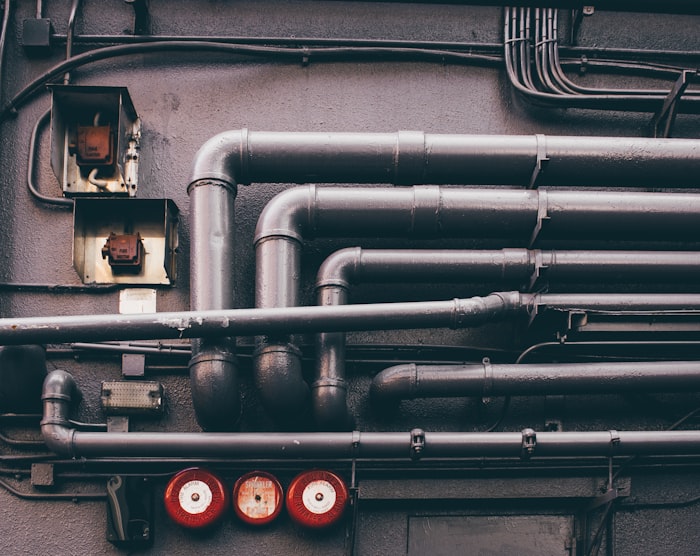
Coarse and fine bar screens remove large floating solids, plastics, cloth and fibrous material. A grit trap with velocity dissipation separates sand, gravel and heavy inorganic particles. Both units are equipped with manual or mechanical raking mechanisms for daily cleaning without plant shutdown.
The EQ tank buffers the highly variable diurnal flow pattern of domestic sewage — with morning and evening peak flows typically 3–4× the average daily flow. Submerged mixing ensures homogeneous sewage quality and prevents sedimentation. The EQ feeds forward to primary treatment at a controlled, metered rate.
Gravity sedimentation removes 50–60% of suspended solids and 25–35% of BOD as primary sludge. In underground compact designs, a tube settler with lamella plates is used to achieve the same performance in a fraction of the footprint. Primary sludge is pumped to the sludge digestion or dewatering system.
The biological stage is selected based on the site constraints and quality requirements. MBBR (Moving Bed Biofilm Reactor) is ideal for compact retrofits with 50% less space than ASP. SBR (Sequential Batch Reactor) handles large flows in a single basin with time-controlled fill-react-settle-decant cycles. MBR (Membrane Bioreactor) delivers near-drinking-quality effluent for highest-grade reuse applications.
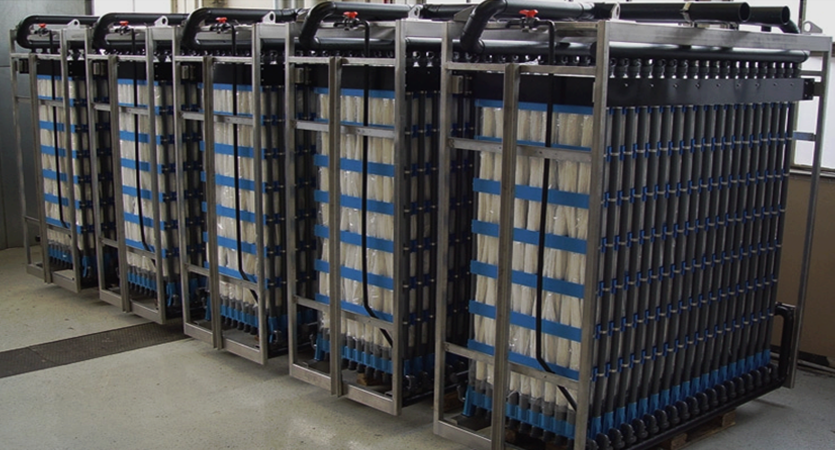
In conventional MBBR/SBR systems, a secondary clarifier settles biological sludge by gravity. In MBR systems, submerged hollow-fibre or flat-sheet membranes with 0.04μm pores provide absolute solid-liquid separation, eliminating the need for a clarifier and producing turbidity-free permeate.
Pressure sand and activated carbon filters remove residual turbidity and trace organics. Chlorination (sodium hypochlorite dosing) or UV disinfection (254 nm lamp banks) ensures E. coli below 100 MPN/100 mL in the recycled water. Ozonation is offered for colour-removal in reuse applications for cooling towers.
Excess biological sludge is thickened in a sludge thickener and dewatered in a screw press or centrifuge to achieve a dry solids content of 18–22%. The dewatered sludge cake can be used as a soil conditioner or sent for composting. Sludge volume is minimised through extended aeration operation.
A critical requirement for urban STPs. Negative air pressure is maintained throughout the enclosed plant. Foul air is drawn through biofilters packed with wood chips/lava rock inoculated with odour-consuming bacteria. Alternatively, chemical scrubbers or activated carbon adsorbers are used for higher odour loads. Outlet H₂S < 5 ppm and NH₃ < 10 ppm are guaranteed.
| Capacity Range | 10 KLD to 2,000 KLD |
| Technology | MBBR / SBR / MBR / ASP |
| Outlet BOD | <10 mg/L (Reuse Grade) |
| Outlet COD | <50 mg/L |
| Outlet TSS | <5 mg/L (MBR) |
| E. coli | <100 MPN/100 mL |
| Footprint | 40% smaller than ASP |
| Noise Level | <55 dB at 1m |
| Power Consumption | 0.3–0.6 kWh/kL |
| Odour | Zero (biofilter/scrubber) |
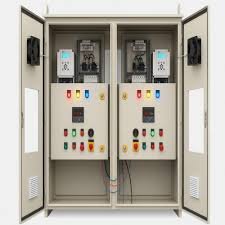
| Automation | PLC with SCADA & GSM alert |
| Standards | CPCB/NGT/SPCB Norms |
Get a free site assessment, technology recommendation and budgetary estimate for your STP project within 24 hours.