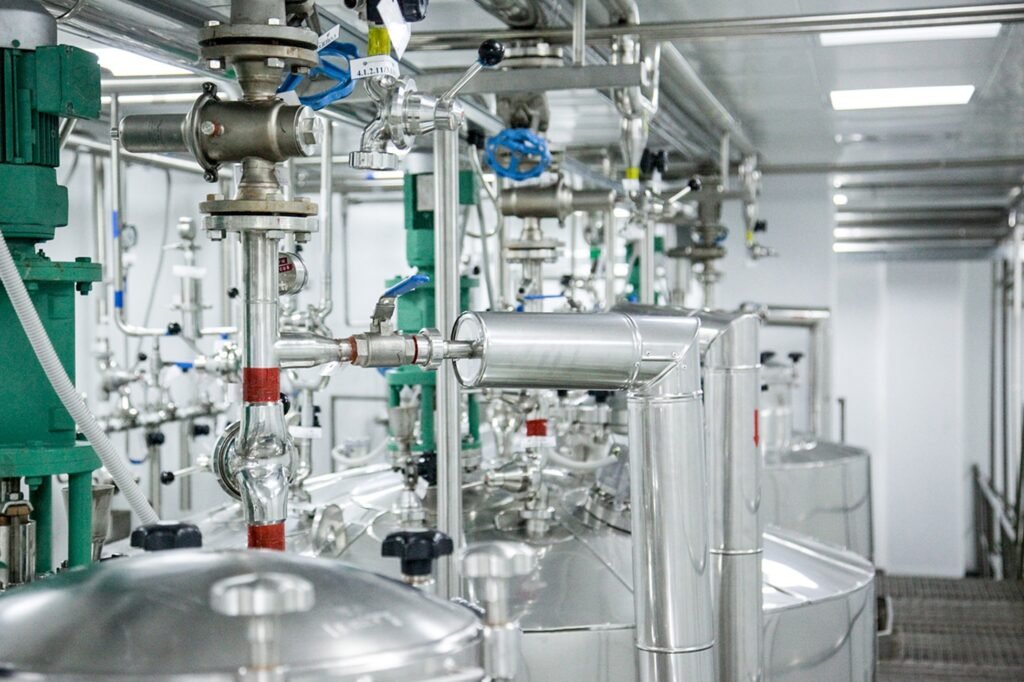
PSA (Pressure Swing Adsorption) Nitrogen Generators produce nitrogen gas on-site from compressed air using carbon molecular sieves (CMS) as the adsorbent. The PSA process selectively adsorbs oxygen and trace moisture from compressed air under high pressure, allowing nitrogen to pass through and be collected at purities from 95% (±0.5%) to 99.999%+ depending on application needs.
Traditional nitrogen supply — via high-pressure cylinders or liquid nitrogen dewars — involves high recurring cost, dependence on vendor delivery schedules, safety hazards of high-pressure cylinders, and continuous cost escalation. An on-site PSA system converts this operational burden into a one-time capital investment with typical payback period of 12–18 months and operating savings of 60–75% compared to delivered gas.
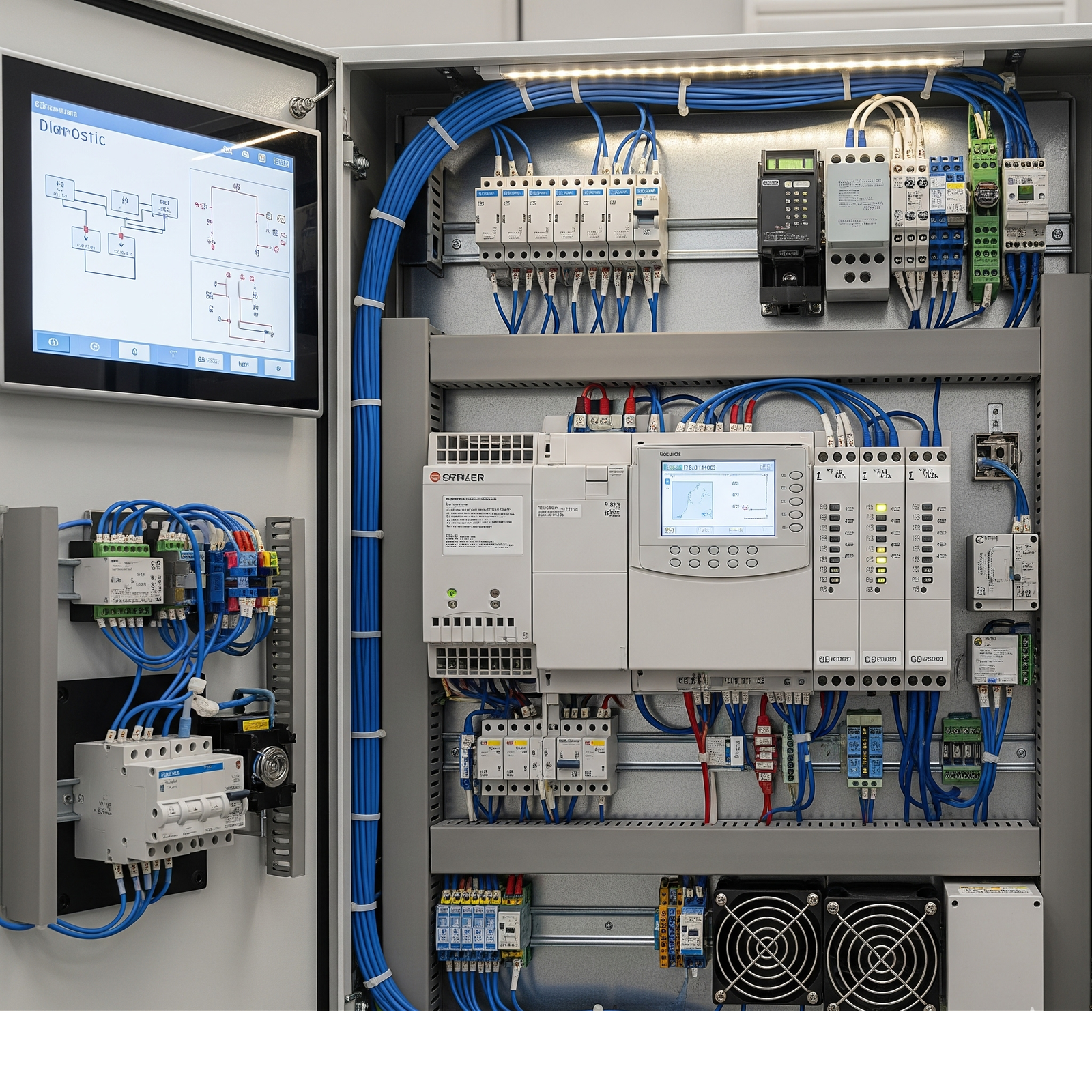
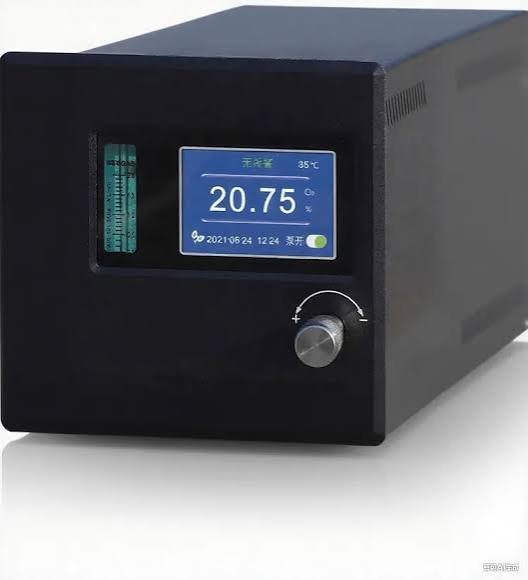
Our PSA systems are fully automated with PLC-controlled adsorption/desorption cycles, continuous online oxygen analyser feedback, and automatic divert valves that prevent off-specification gas from entering the process. The modular design allows capacity expansion by adding adsorber vessels in parallel — without modifying existing piping.
We design, supply, install, commission and provide long-term AMC for PSA nitrogen systems across food & beverage, pharmaceutical, electronics, metal fabrication, chemical, oil & gas, and laboratory applications across India.

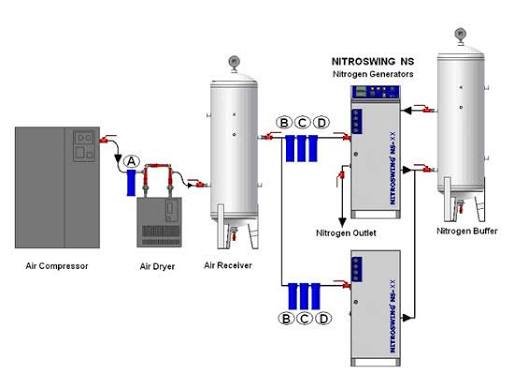
Oil-free or lubricated air compressors provide the compressed air feed at 7–10 bar to the PSA system. A dedicated air treatment package — refrigerated air dryer, pre-filter (1μm, <0.1 mg/m³ oil), and activated carbon filter — removes moisture, oil vapour and particles to protect the CMS adsorbent and extend its life from 5 to 15+ years.
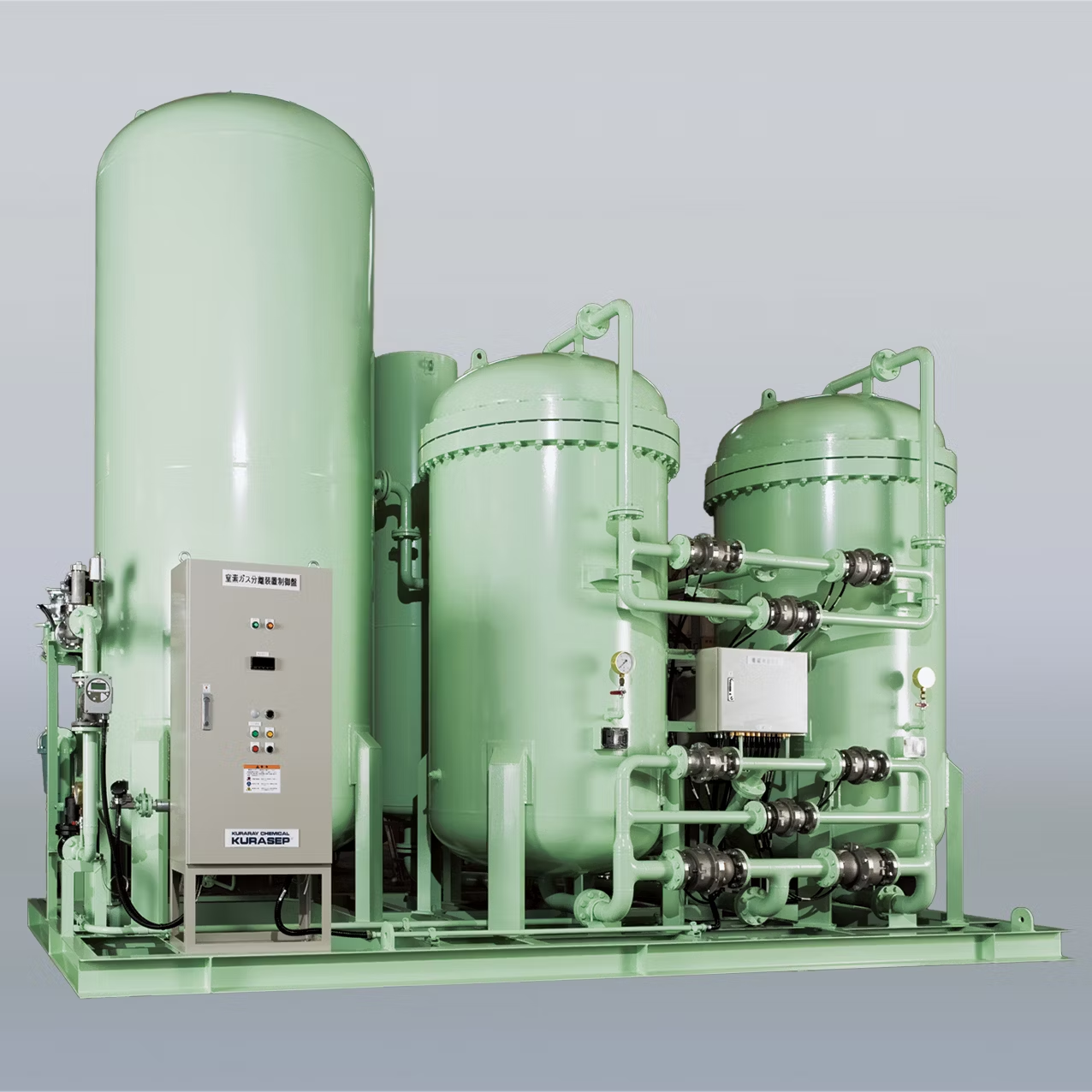
Twin adsorber vessels filled with CMS operate in alternating pressure swing cycles of typically 60 seconds each. At high pressure (7 bar), the CMS pores preferentially adsorb O₂, CO₂ and moisture. While one vessel adsorbs, the other regenerates by venting to atmosphere. Nitrogen product flows continuously from the non-adsorbing vessel into the product buffer tank.
The PLC-controlled pneumatic valve sequencing alternates the high-pressure feed and vent cycles between both adsorber columns with millisecond precision. Cycle time, equalisation pressure and purge flow are automatically optimised based on the inlet compressed air quality to maintain consistent outlet purity regardless of ambient conditions.
An in-line paramagnetic or zirconia oxygen analyser continuously monitors product N₂ purity. If O₂ content exceeds the set-point (e.g., >5 ppm for electronics grade), an automatic three-way divert valve vents off-spec gas and sends an alarm to the operator. This safeguards processes where O₂ contamination causes product rejection or safety hazards.
A pressurised nitrogen buffer tank (typically sized for 2–3 minutes of consumption) smooths out the pulsating output of the PSA cycle, providing steady-state supply at consistent pressure to the distribution system. Tank sizes from 200 litres to 10,000 litres are available in carbon steel or SS 304 with safety relief valves and pressure gauges.
Nitrogen is distributed to point-of-use via a dedicated stainless steel or carbon steel distribution network at 4–7 bar. Flow meters (mass flow or vortex) at each offtake point enable consumption monitoring and nitrogen balance verification. Remote SCADA with GSM/Ethernet connectivity provides 24/7 purity, flow and alarm monitoring via web browser or mobile app.
| Technology | Pressure Swing Adsorption (PSA) |
| Flow Range | 1 to 5,000 Nm³/hr |
| Purity Range | 95% to 99.999% N₂ |
| Dew Point | -40°C to -70°C PDP |
| Outlet Pressure | 4–8 bar (adjustable) |
| Feed Air Pressure | 7–10 bar |
| Adsorbent | Carbon Molecular Sieve (CMS) |
| CMS Life | 10–15 years (with quality feed air) |
| Power Source | Feed air compressor (separate) |
| Compliance | CE / ISO 8573-1 Standards |
Tell us your required purity, flow rate and application — we will design the optimal PSA system and provide a payback analysis within 48 hours.